
Battery Chemistry 101
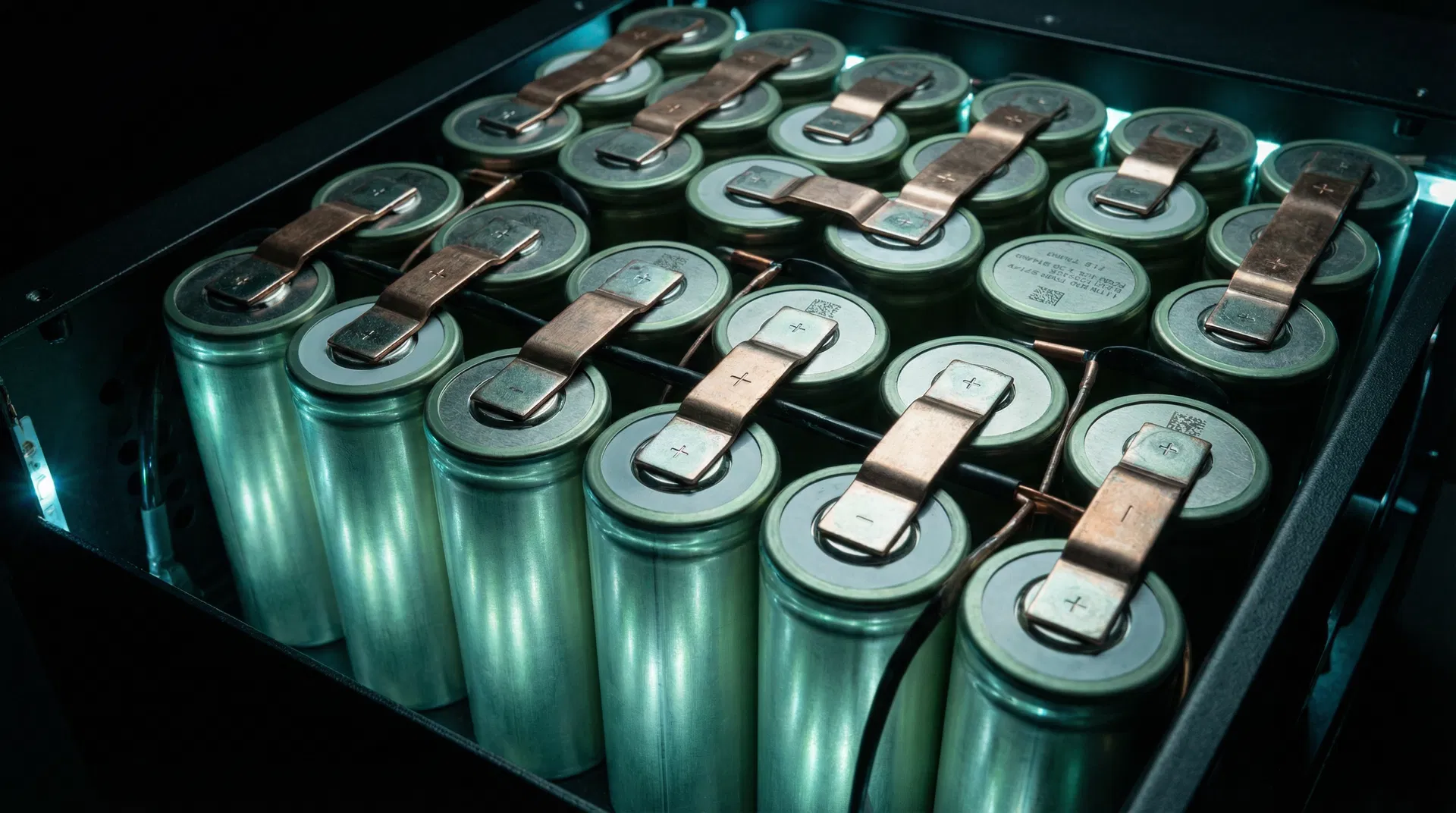
When evaluating battery energy storage systems for commercial applications, the choice of battery chemistry is arguably the most important decision. The two dominant chemistries in the market today are Nickel Manganese Cobalt (NMC) and Lithium Iron Phosphate (LFP). While NMC offers higher energy density—meaning more energy per kilogram—LFP delivers decisive advantages in the areas that matter most for commercial installations: safety, longevity, and total cost of ownership.
Why LFP for Commercial Applications
For commercial and industrial applications, where batteries are installed in or near occupied buildings and expected to operate reliably for 15+ years, LFP's advantages are compelling. LFP cells are inherently resistant to thermal runaway—the chain reaction that can cause battery fires. Even under extreme abuse conditions (overcharging, short-circuiting, puncture), LFP cells do not catch fire or explode. This intrinsic safety allows for simpler, more cost-effective installation without the extensive fire suppression systems required for NMC installations.
Pylontech's Engineering Advantage
Pylontech has been manufacturing LFP batteries since 2009 and has deployed over 2 million systems globally. Their commercial and industrial products incorporate several proprietary technologies that differentiate them from competitors. Cell-level Battery Management System (BMS) monitoring provides real-time visibility into the health and performance of every individual cell, enabling predictive maintenance and maximising system lifespan. Their proprietary thermal management system maintains optimal operating temperatures across New Zealand's varied climate conditions.
Safety and Certification Standards
All Pylontech products distributed by Voltaic in New Zealand meet or exceed the relevant safety and performance standards. This includes CEC (Clean Energy Council) approval for the Australian and New Zealand market, compliance with AS/NZS 4777 (grid connection standards), IEC 62619 (safety requirements for secondary lithium cells), and UN38.3 (transport safety). These certifications provide assurance that the products have been independently tested and verified to the highest international standards.
Lifespan and Total Cost of Ownership
LFP batteries offer a cycle life of 6,000+ cycles at 80% depth of discharge, compared to 3,000–4,000 cycles for typical NMC batteries. For a commercial system cycling once or twice daily, this translates to a useful life of 12–18 years. When combined with LFP's lower degradation rate (less than 20% capacity loss over the warranty period), the total cost of ownership per kilowatt-hour stored is significantly lower than NMC alternatives. Pylontech backs this performance with a 10-year standard warranty, extendable to 15 years, covering both capacity and performance guarantees.